When adventure seekers think of Canada, images of vast wilderness, towering mountains, and pristine lakes immediately come to mind. While the entire country offers incredible outdoor experiences, Alberta stands out as the ultimate playground for thrill-seekers and nature enthusiasts. This western province combines dramatic Rocky Mountain landscapes with endless prairies, creating a diverse terrain that supports every type of adventure imaginable. From world-class skiing and mountaineering to wildlife viewing and cultural experiences, Alberta delivers adventures that rival any destination on earth.
What makes Alberta truly exceptional isn’t just its natural beauty—it’s the accessibility and variety of experiences available within relatively compact distances. You can wake up in a cosmopolitan city, drive two hours to hike among glacier-fed lakes, and end your day soaking in natural hot springs under a canopy of stars. The province’s infrastructure supports adventure tourism while maintaining the wild, untamed character that draws visitors from around the globe. Whether you’re a seasoned adventurer or someone looking to push your comfort zone, Alberta offers experiences that will transform your perspective on what outdoor adventure can be.
The Legendary Canadian Rockies and Mountain Adventures
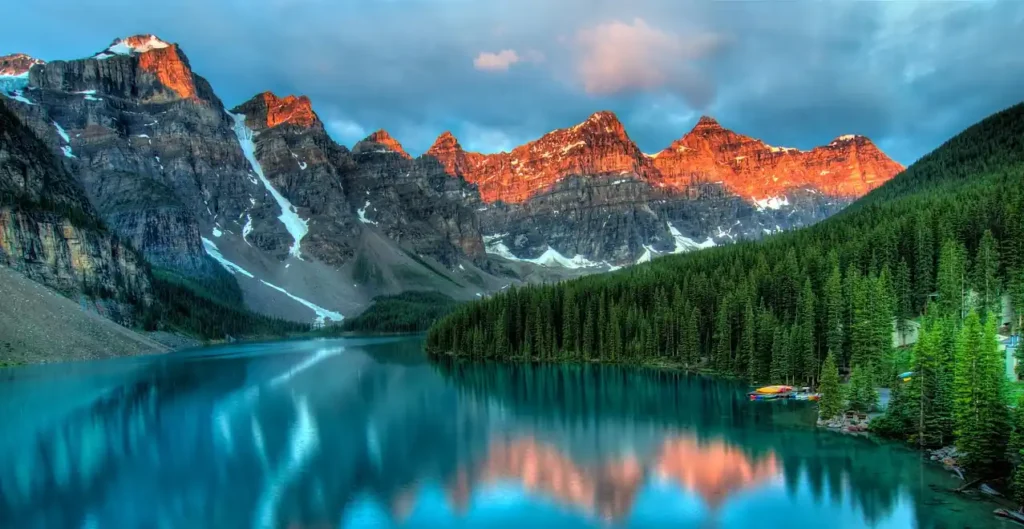
Image by James Wheeler from Pixabay
The Canadian Rockies represent some of the most spectacular mountain scenery in the world, and Alberta claims the lion’s share of these magnificent peaks. Banff and Jasper National Parks showcase alpine environments that seem almost too beautiful to be real, with turquoise lakes, ancient glaciers, and wildlife that roams freely through pristine wilderness. These parks offer adventure opportunities ranging from gentle family hikes to technical mountaineering expeditions that challenge even experienced climbers.
Lake Louise and Moraine Lake provide iconic backdrops for hiking adventures, but the real treasures lie beyond the popular viewpoints. The Plain of Six Glaciers hike offers close encounters with active glaciers and mountain goats, while the Sentinel Pass trail rewards hikers with panoramic views of the Continental Divide. For serious mountaineers, peaks like Mount Assiniboine and Mount Columbia present technical challenges that test skills and endurance while providing unmatched summit experiences.
Winter transforms Alberta’s mountains into a playground for snow sports enthusiasts. World-class ski resorts like Lake Louise Ski Resort and Sunshine Village offer terrain for every skill level, from gentle learning slopes to extreme off-piste adventures. Ice climbing opportunities abound, with frozen waterfalls creating natural climbing walls that attract ice climbers from around the world. The Johnston Canyon ice walk provides a more accessible winter adventure, leading visitors through a frozen canyon to spectacular ice formations.
Backcountry skiing and snowshoeing open up vast areas of wilderness for exploration during winter months. The Icefields Parkway transforms into a snow-covered corridor between towering peaks, offering some of the most scenic winter driving in North America. Cross-country skiing trails wind through mountain valleys and forests, providing peaceful alternatives to the bustling downhill ski areas while showcasing Alberta’s winter beauty.
Wildlife Encounters and Natural Wonders
Alberta’s diverse ecosystems support an incredible array of wildlife, creating opportunities for authentic encounters with North American fauna in their natural habitats. The province hosts healthy populations of bears, wolves, elk, bighorn sheep, and countless other species that thrive in protected wilderness areas. Wildlife viewing in Alberta goes beyond simple observation—it involves understanding ecosystems, respecting animal behavior, and experiencing the thrill of sharing space with truly wild creatures.
Grizzly bear and black bear encounters rank among the most sought-after wildlife experiences, requiring proper preparation and respect for these powerful animals. Early morning and evening hours provide the best viewing opportunities, particularly in areas like the Bow Valley and Icefields Parkway. Professional wildlife guides offer insights into animal behavior while ensuring safe, ethical viewing practices that minimize disturbance to wildlife populations.
The annual elk bugling season in September and October creates one of nature’s most dramatic spectacles. Bull elk compete for mates with haunting calls that echo through mountain valleys, while their impressive antlers and aggressive behavior provide unforgettable viewing opportunities. Jasper National Park’s Athabasca River valley and Banff’s Bow Valley offer prime locations for experiencing this natural phenomenon.
Bird watching in Alberta reveals incredible diversity, from mountain species like golden eagles and peregrine falcons to prairie birds like burrowing owls and sage grouse. Migration seasons bring thousands of waterfowl to the province’s wetlands, while year-round residents adapt to dramatic seasonal changes. The Peace River region and Dinosaur Provincial Park provide unique birding opportunities in diverse habitats.
Thrilling Water Sports and Aquatic Adventures
Alberta’s abundant rivers, lakes, and mountain streams create endless opportunities for water-based adventures that range from peaceful canoe trips to adrenaline-pumping whitewater rafting. The province’s water resources vary dramatically, from glacier-fed mountain lakes to warm prairie reservoirs, each offering unique experiences for aquatic enthusiasts of all skill levels.
Whitewater rafting on the Kicking Horse River provides world-class rapids just outside the province in nearby British Columbia, but Alberta’s own rivers offer excellent rafting opportunities. The Bow River through Calgary combines urban scenery with exciting rapids, while the Athabasca River in Jasper provides more remote wilderness experiences. The Red Deer River offers multi-day trips through badlands scenery, combining rafting with paleontology and unique geological formations.
Canoeing and kayaking opportunities abound throughout Alberta, from peaceful lake paddling to challenging river expeditions. The Bow River system provides excellent paddling for beginners and experts alike, while mountain lakes like Maligne Lake offer spectacular scenery with calmer waters. The Peace River system opens up vast wilderness areas for extended canoe trips, following routes used by fur traders and indigenous peoples for centuries.
Fishing enthusiasts find Alberta’s waters teeming with trout, pike, walleye, and other species that provide excellent angling opportunities. Fly fishing for rainbow and brown trout in mountain streams requires skill and patience, while lake fishing for northern pike and walleye offers excitement and excellent table fare. Ice fishing during winter months extends the angling season, with heated huts and specialized equipment making cold-weather fishing comfortable and productive.
Unique Cultural and Historical Adventures
Alberta’s adventure opportunities extend beyond natural attractions to include rich cultural experiences that connect visitors with the province’s fascinating history and diverse communities. Indigenous heritage sites, frontier history, and modern cultural attractions create opportunities for educational adventures that provide context for the land’s natural wonders.
The Royal Tyrrell Museum in Drumheller offers world-class paleontology experiences, allowing visitors to explore one of the world’s premier dinosaur fossil collections. The surrounding badlands provide opportunities for fossil hunting, hiking through otherworldly landscapes, and learning about the region’s ancient history. Self-guided tours through the Dinosaur Trail reveal numerous fossil sites and geological formations that tell the story of prehistoric Alberta.
Indigenous cultural experiences throughout the province provide authentic insights into the traditions and modern lives of First Nations communities. Pow wows, cultural centers, and guided tours led by indigenous guides offer respectful ways to learn about traditional land use, spiritual practices, and the ongoing connection between indigenous peoples and the land. These experiences add depth and meaning to outdoor adventures while supporting indigenous communities.
Historic sites like the Frank Slide and Head-Smashed-In Buffalo Jump combine natural drama with human history, creating unique adventure opportunities. The Icefields Parkway includes numerous historic sites that tell the story of early exploration, railway construction, and the development of tourism in the Canadian Rockies. Ghost towns and abandoned mining sites provide glimpses into Alberta’s pioneer past while offering interesting hiking and exploration opportunities.
Seasonal Adventure Opportunities
Alberta’s distinct seasons create dramatically different adventure opportunities throughout the year, allowing visitors to experience the province’s natural beauty in multiple ways. Each season brings unique advantages and challenges, from summer’s endless daylight and warm weather to winter’s snow-covered landscapes and northern lights displays.
Summer adventures take advantage of long daylight hours and warm temperatures that make high-altitude activities comfortable and accessible. Hiking season typically runs from June through September, with July and August providing the most reliable weather for backcountry adventures. Mountain biking trails become accessible as snow melts, while rock climbing conditions reach their peak during warm, dry periods.
Fall brings spectacular color changes to Alberta’s forests, creating photographic opportunities that rival those found anywhere in North America. Larch trees in the Canadian Rockies turn brilliant gold in late September, while aspens throughout the province create golden corridors along hiking trails and scenic drives. Cooler temperatures and fewer crowds make fall an ideal time for hiking and wildlife viewing.
Winter transforms Alberta into a snow sports paradise, with ski resorts, cross-country skiing areas, and ice climbing venues operating throughout the province. The northern lights become visible during long winter nights, creating opportunities for aurora viewing and photography. Winter camping and backcountry skiing appeal to adventurous spirits willing to embrace cold-weather challenges.
Spring brings wildlife activity as animals emerge from winter dormancy, creating excellent viewing opportunities for bears, mountain goats, and migrating birds. Waterfalls reach peak flow as snow melts, creating spectacular displays and excellent photography opportunities. Spring weather can be unpredictable, but the combination of snow-capped peaks and emerging vegetation creates unique scenic conditions.
Adventure Planning and Practical Considerations
Successful adventure travel in Alberta requires careful planning and preparation, particularly for wilderness activities where weather conditions and terrain can change rapidly. Understanding seasonal patterns, obtaining proper permits, and preparing appropriate gear ensures safe and enjoyable experiences while minimizing environmental impact.
Weather preparation proves crucial for Alberta adventures, as mountain conditions can change from sunny and warm to cold and stormy within hours. Layered clothing systems, waterproof gear, and emergency supplies become essential for backcountry activities. Summer temperatures can range from freezing at high elevations to hot in prairie areas, requiring versatile clothing options.
Park permits and reservations require advance planning, particularly during peak summer months when popular campgrounds and backcountry sites fill quickly. Canada’s national parks require entry fees and camping permits, while provincial parks have their own fee structures. Backcountry camping often requires permits and bear safety equipment, including bear-proof food storage containers.
Transportation considerations include vehicle requirements for mountain driving, seasonal road closures, and distances between destinations. Four-wheel drive vehicles provide advantages for accessing remote trailheads, while winter driving requires snow tires and emergency equipment. Rental car companies offer vehicles equipped for mountain travel, but advance reservations ensure availability during peak seasons.
Safety considerations encompass wildlife encounters, changing weather conditions, and remote locations where cell phone coverage may be limited. Emergency communication devices, first aid supplies, and knowledge of basic wilderness safety principles become essential for backcountry adventures. Travel insurance and emergency evacuation coverage provide additional peace of mind for adventurous activities.
Hidden Gems and Off-the-Beaten-Path Adventures
While Alberta’s famous attractions draw millions of visitors annually, the province’s hidden gems offer equally spectacular experiences with fewer crowds and more intimate connections with nature. These lesser-known destinations reward adventurous travelers with unique experiences and the satisfaction of discovering places that few tourists ever see.
The Kananaskis Country region provides wilderness experiences that rival those found in national parks without the crowds and restrictions. Peter Lougheed Provincial Park offers excellent hiking, camping, and wildlife viewing opportunities, while the Spray Lakes area provides stunning mountain scenery and challenging backcountry adventures. These areas offer the same dramatic Rocky Mountain landscapes with more solitude and flexibility.
Writing-on-Stone Provincial Park in southern Alberta combines unique geological formations with significant indigenous cultural sites. The park’s hoodoos and rock art provide opportunities for hiking, photography, and cultural education that differ dramatically from mountain experiences. This UNESCO World Heritage site protects one of North America’s most significant concentrations of indigenous rock art.
The Milk River region offers surprising adventures in an area many travelers overlook. Canoeing through prairie landscapes reveals hidden canyons, diverse wildlife, and historical sites that tell the story of early European exploration. The combination of prairie and badlands scenery creates unique photographic opportunities and peaceful paddling experiences.
Willmore Wilderness Park provides true wilderness experiences for serious adventurers willing to travel beyond established trail systems. This remote park offers opportunities for multi-day backpacking trips, horseback adventures, and wildlife encounters in areas where few people venture. The park’s lack of development ensures authentic wilderness experiences but requires advanced outdoor skills and careful preparation.
Frequently Asked Questions
What’s the best time of year to visit Alberta for outdoor adventures?
Summer (June-August) offers the warmest weather and longest daylight hours, making it ideal for hiking and camping. However, fall (September-October) provides stunning colors and fewer crowds, while winter (December-March) is perfect for snow sports and northern lights viewing.
Do I need special permits for backcountry camping in Alberta?
Yes, backcountry camping in national parks requires permits and reservations, especially during peak season. Provincial parks have varying requirements, so check specific park regulations before your trip. Some areas also require bear-proof food storage containers.
How challenging are Alberta’s hiking trails for beginners?
Alberta offers trails for every skill level, from easy lakeside walks to challenging multi-day backpacking routes. Popular areas like Lake Louise and Jasper have numerous beginner-friendly options with spectacular scenery. Always check trail conditions and weather forecasts before heading out.
What wildlife safety precautions should I take?
Carry bear spray in bear country, make noise while hiking, and store food properly. Never approach or feed wildlife. Travel in groups when possible, and learn to identify bear signs and appropriate response techniques. Many parks offer wildlife safety presentations.
How far in advance should I book accommodations and activities?
Book accommodations and popular activities 3-6 months in advance for summer visits, especially in Banff and Jasper. Backcountry camping permits often require reservations 3-4 months ahead. Winter activities may have more availability but popular ski resorts fill up during peak periods.
What essential gear should I pack for Alberta adventures?
Pack layered clothing for variable mountain weather, waterproof jacket and pants, sturdy hiking boots, hat, sunglasses, and sunscreen. Bring bear spray for wilderness areas, first aid supplies, and emergency communication device for remote adventures. Winter activities require additional cold-weather gear.
Alberta’s adventure opportunities truly seem endless, don’t they? Whether you’re drawn to the dramatic peaks of the Rockies, the unique wildlife encounters, or the cultural experiences that add depth to your outdoor adventures, this province delivers experiences that will stay with you forever. What type of Alberta adventure appeals to you most—the adrenaline rush of whitewater rafting, the peaceful solitude of backcountry camping, or perhaps the thrill of spotting a grizzly bear in the wild? Share your Alberta adventure dreams or experiences in the comments below, and let’s inspire each other to explore everything this incredible province has to offer!