Feeding your dog isn’t just about filling a bowl with kibble. The quality of what goes into your pet’s body has a direct impact on their health, energy, and longevity. By focusing on improving your dog’s diet at home, you not only save money in the long run but also take proactive steps to prevent common health issues. Many pet owners assume that only commercial food meets nutritional standards, but with the right guidance, you can create balanced meals and simple enhancements that keep your furry friend thriving.
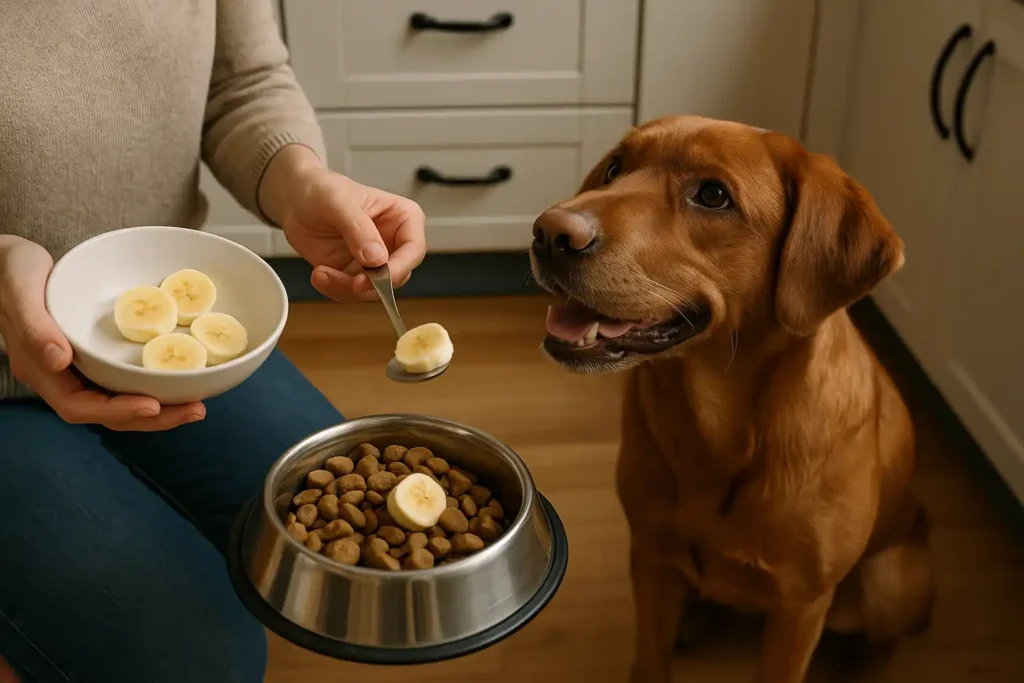
In this article, we’ll explore practical, science-based, and easy-to-apply strategies to upgrade your dog’s diet at home. From adding whole foods and monitoring portion sizes to incorporating natural supplements, these methods are designed to be accessible for every household. You don’t need to be a veterinarian or chef—just a dedicated pet parent willing to apply a few consistent changes. Let’s dive into the tricks that can make your dog’s mealtimes healthier and happier.
Why Improving Your Dog’s Diet at Home Matters
Dogs rely on us entirely for their nutrition, and small adjustments in diet can have a massive impact on their quality of life. Feeding a balanced dog’s diet at home ensures your pup gets essential nutrients without unnecessary additives or fillers. Many commercial products contain preservatives, artificial colors, or low-quality by-products that can contribute to digestive issues, allergies, and obesity.
By making intentional choices at home, you can control the ingredients and tailor meals to your dog’s specific needs. Whether your pet struggles with weight management, sensitive skin, or low energy, dietary adjustments can make a real difference. Studies show that dogs fed fresh, balanced diets often have shinier coats, better digestion, and more stable energy throughout the day. Improving nutrition doesn’t just address physical health—it also enhances mood, reduces anxiety, and strengthens the immune system.
Incorporating Fresh Whole Foods
One of the simplest tricks to enhance your dog’s diet at home is adding fresh whole foods to their meals. While high-quality kibble may cover basic needs, it often lacks the variety and phytonutrients found in natural produce. Fresh foods bring enzymes, antioxidants, and hydration to your dog’s diet, which contribute to overall wellness.
- Vegetables: Carrots, green beans, spinach, and pumpkin provide fiber, vitamins, and minerals.
- Fruits: Apples (without seeds), blueberries, and bananas add natural sweetness and antioxidants.
- Proteins: Cooked chicken, lean beef, or eggs can be used as toppers to boost protein content.
Introduce these foods gradually to avoid digestive upset, and always research safe options before adding new ingredients. A colorful plate not only excites your dog but also ensures they receive diverse nutrients beyond processed food.
Portion Control and Balanced Feeding
Even the healthiest dog’s diet at home can go wrong without portion control. Overfeeding leads to obesity, which puts dogs at risk of arthritis, diabetes, and heart problems. Conversely, underfeeding can result in malnutrition and weakness. Start by measuring your dog’s food with a standard cup instead of eyeballing amounts. Adjust portions based on age, activity level, and breed size.
Consistency is key: feed your dog at the same times each day to regulate digestion and metabolism. Divide meals into two or three smaller portions instead of a single large one. Balanced feeding also means considering the ratio of protein, carbohydrates, and fats. Consult with a veterinarian to create an appropriate plan, especially if your dog has special dietary needs. For many households, portion awareness alone dramatically improves a dog’s health within weeks.
Enhancing Meals with Natural Supplements
Supplements are an easy way to elevate your dog’s diet at home. While not every dog needs extra support, certain natural additions can address common deficiencies. For example, omega-3 fatty acids from fish oil promote a shiny coat, reduce inflammation, and support joint health. Probiotics aid digestion and boost immunity, especially in dogs prone to gastrointestinal issues.
- Fish oil or salmon oil: Improves skin and coat health.
- Probiotics: Supports digestion and balances gut bacteria.
- Glucosamine: Helps with joint support, especially in older dogs.
- Coconut oil: Provides healthy fats and may improve cognitive function.
Introduce supplements slowly and under professional guidance. Always prioritize high-quality, pet-safe products over generic human-grade versions. When used correctly, these natural boosters can complement homemade meals and fill nutritional gaps.
Hydration and Moisture in the Diet
Hydration plays a critical role in your dog’s diet at home. Many dogs eat only dry kibble, which contains limited moisture, leading to mild dehydration over time. Adding water, bone broth, or wet food can make meals more palatable and increase hydration. Homemade bone broth is especially beneficial, providing nutrients like collagen and glucosamine while keeping your dog interested in mealtime.
Always ensure fresh, clean water is available throughout the day. In warmer months or after exercise, dogs require more hydration. Observing your dog’s urine color (light yellow is ideal) can help monitor hydration status. A simple trick like mixing wet food or broth into kibble can dramatically improve digestive health and energy levels.
Safe Foods to Avoid in a Dog’s Diet at Home
While enhancing your dog’s diet at home with fresh foods and supplements is beneficial, it’s equally important to avoid dangerous items. Some human foods can be toxic, causing serious health issues. Common foods to avoid include:
- Chocolate and caffeine (toxic to the nervous system)
- Grapes and raisins (can cause kidney failure)
- Onions and garlic (damage red blood cells)
- Avocado (contains persin, harmful to dogs)
- Xylitol (artificial sweetener toxic to dogs)
Educating everyone in the household about safe and unsafe foods ensures your dog doesn’t accidentally ingest harmful items. Sticking to approved foods and creating safe feeding habits is an essential part of any healthy diet strategy.
Making Homemade Meals Safely
Many pet parents now prepare homemade meals as part of their dog’s diet at home. This allows full control over ingredients and quality. However, it’s vital to ensure meals remain nutritionally balanced. Dogs require specific ratios of protein, fats, vitamins, and minerals to thrive. A common mistake is relying too heavily on meat without enough fiber or micronutrients.
To avoid imbalances, consult a veterinary nutritionist or use online resources from trusted organizations like the ASPCA or AKC. Meal-prep for dogs can include lean proteins, brown rice or quinoa, steamed vegetables, and a touch of healthy oil. Freezing pre-portioned meals can make the process convenient while maintaining freshness. Homemade meals not only improve health but also strengthen the emotional connection during feeding time.
Final Thoughts on Your Dog’s Diet at Home
Improving your dog’s diet at home doesn’t require drastic overhauls. Small, consistent changes—such as adding fresh vegetables, monitoring portions, using natural supplements, and ensuring hydration—can create lasting benefits. Remember that balance is key. By staying informed, avoiding unsafe foods, and consulting with professionals when needed, you can help your dog live a longer, healthier, and happier life.
Which of these tricks have you tried with your dog? Have you noticed improvements in energy, coat health, or mood? Share your experiences in the comments below—we’d love to hear from you!
FAQ
Can I switch my dog to a homemade diet completely?
Yes, but it must be carefully balanced with professional guidance to avoid nutrient deficiencies.
How do I know if my dog’s diet at home is balanced?
Look for consistent energy, healthy weight, shiny coat, and regular bowel movements. Consulting a vet is always recommended.
Are raw diets safe for dogs?
Raw feeding is debated. While some dogs thrive, risks of bacteria and nutrient imbalance exist. Research thoroughly before deciding.
What are signs my dog’s diet isn’t working?
Lethargy, dull coat, digestive problems, or sudden weight changes often indicate imbalances that require adjustments.
Can I add table scraps to my dog’s meals?
It’s best to avoid table scraps, especially those containing seasoning, fat, or unsafe ingredients. Stick to dog-safe whole foods instead.