Introduction
Technology! We are living in an era of unprecedented technological transformation. In 2025, advances in artificial intelligence, quantum computing, augmented reality, and digital sustainability are redefining not only how we live, but also how we connect with the world around us.
This article will take you on a complete tour of the top technological innovations of 2025, exploring trends that promise to radically change industries, professions, and even the concept of everyday life.
Whether you’re a tech enthusiast, a professional in the field, or simply curious about the future, get ready to discover what’s shaping the digital world in the coming years.
What’s Changing in Technology in 2025?
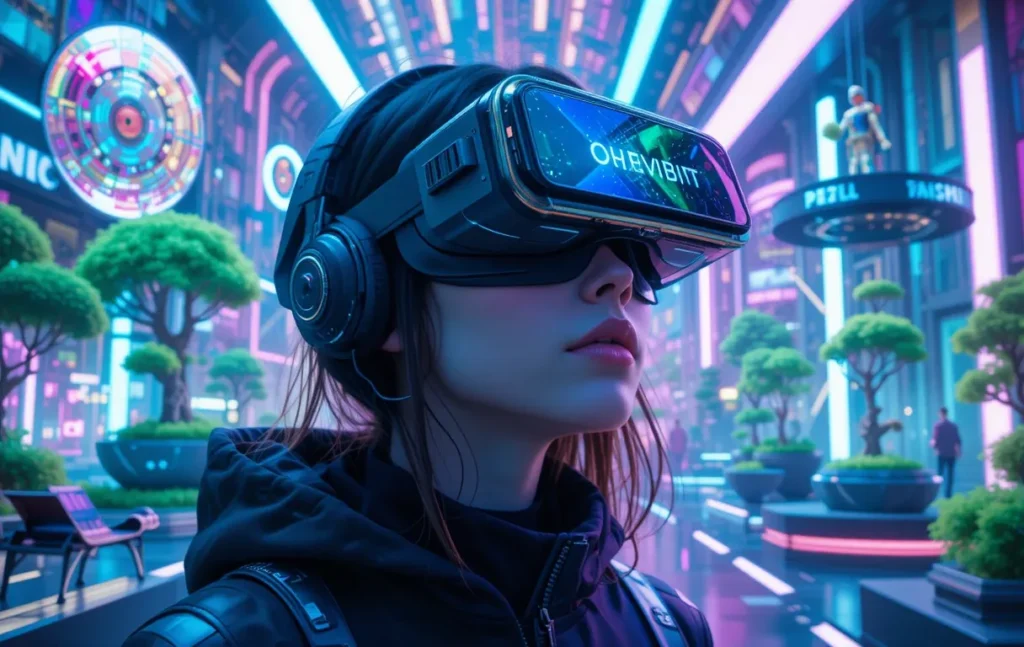
Technology in 2025 is not just faster or more powerful — it’s becoming more integrated, intuitive, and impactful. The line between virtual and real begins to blur, while digital solutions are now tackling complex social and environmental challenges.
Let’s explore the key innovation areas:
- Advanced Artificial Intelligence
- Quantum Computing Becoming Reality
- Mixed Reality (MR) and Brain Interfaces
- Sustainable and Green Technologies
- Smart Automation in Business
- Digital Health and More Accurate Wearables
- Blockchain in New Applications
- Cybersecurity Redesigned for a New Era
1. Advanced Artificial Intelligence
From Generative AI to Autonomous AI
In 2025, artificial intelligence has moved beyond being just a support tool to taking on autonomous roles in areas such as:
- Creative content generation
- Customer service (humanized chatbots)
- Corporate strategic planning
- Software development and data analysis
Companies like Google, Meta, Microsoft, and independent startups are heavily investing in AI systems capable of making decisions with minimal human supervision.
Real-World Example:
OpenAI’s AI Agent allows users to create virtual assistants that can schedule meetings, reply to emails, and even negotiate prices autonomously using natural language and contextual understanding.
Social Impact:
- Increased productivity
- Democratization of technology access
- Ethical concerns and human oversight
2. Quantum Computing Becoming Reality
From Lab to Real World
Until recently, quantum computing seemed like something from a distant future. But in 2025, companies like IBM, Google, and specialized startups are beginning to offer commercial services based on this technology.
How It Works?
Unlike traditional computers, which use binary bits (0 or 1), quantum computers use qubits, capable of processing multiple possibilities simultaneously.
Key Applications:
- Complex simulations in physics and chemistry
- Ultra-secure encryption
- Logistics and financial optimization
- Accelerated medical and pharmaceutical research
Real Projects:
IBM Quantum System Two and Google Quantum AI are examples of operational quantum infrastructure already in place in several countries.
3. Mixed Reality (MR) and Brain Interfaces
Between Virtual and Real
With the growing adoption of augmented reality glasses and virtual reality headsets, mixed reality (MR) is becoming part of daily life. Devices like the Apple Vision Pro, the Meta Quest 3, and others are pushing immersive experiences to new levels.
Emerging Brain Interfaces:
Companies like Neuralink and Synchron are developing brain-computer interfaces to allow users to control devices with thought — a revolution for people with motor disabilities.
Applications:
- Immersive corporate training
- Interactive education
- Gaming and entertainment
- Advanced medical assistance
4. Sustainable and Green Technologies
Technology Serving the Planet
With global pressure to reduce emissions and promote circular economy practices, green technologies are on the rise. In 2025, solutions such as:
- Renewable energy storage
- Zero-energy smart buildings
- Electric transportation with long-lasting batteries
- Precision agriculture with sensors and drones
Are gaining momentum in both public and private sectors.
Leading Startups and Companies:
- Tesla (solar energy + electric vehicles)
- Northvolt (sustainable batteries)
- Climeworks (carbon capture)
These innovations show how technology can help combat climate change.
5. Smart Automation in Business
RPA, IoT, and Autonomous Processes
Business automation in 2025 goes beyond simple task replacement. Now, it becomes intelligent and adaptive, thanks to the combined use of:
- RPA (Robotic Process Automation)
- IoT (Internet of Things)
- Machine Learning applied to daily operations
Benefits:
- Reduced operational costs
- Improved process accuracy
- Faster decision-making
Sectors on the Rise:
- Healthcare (electronic health records automation)
- Manufacturing (smart factories)
- Finance (automated banking services)
6. Digital Health and More Accurate Wearables
Continuous and Personalized Monitoring
Wearables have evolved dramatically by 2025. Smartwatches now monitor vital signs with medical-grade accuracy, detecting conditions such as cardiac arrhythmias, stress levels, sleep patterns, and even early viral infections.
Standout Technologies:
- Apple Watch Ultra 3
- Fitbit Sense 2
- Samsung Galaxy Ring (continuous health monitoring)
In addition, telemedicine platforms are now integrated with these devices, enabling more effective remote diagnostics.
7. Blockchain in New Applications
Beyond Cryptocurrencies
In 2025, blockchain is being used in areas such as:
- Decentralized digital identity
- Product tracking (supply chain)
- Self-executing smart contracts
- Intellectual property protection
Projects like Polkadot, Cardano, and Ethereum 2.0 are leading this new wave of practical blockchain applications.
8. Cybersecurity Redesigned for a New Era
Protection Against Malicious AI
With the rise of AI usage, the risk of sophisticated cyberattacks is also growing. In 2025, cybersecurity is adapting with:
- AI-based threat detection
- Post-quantum cryptography
- Continuous authentication and dynamic biometrics
- Secure zero-trust networks
Governments and large corporations are investing heavily to protect critical data against increasingly complex threats.
Tips to Stay Updated on Technological Innovations
Staying informed about tech trends is essential, especially in such a transformative year as 2025. Here are some tips:
- Subscribe to specialized newsletters: Trusted sources like TechCrunch, The Verge, and Wired.
- Attend events and webinars: Events like CES, Web Summit, and SXSW feature tech-focused programs.
- Use continuous learning apps: Platforms like Coursera, Udemy, and LinkedIn Learning offer courses on AI, blockchain, and much more.
- Follow influencers and online communities: Reddit, YouTube, and Twitter are great places to follow real-time discussions.
- Test new technologies: Try out new apps, devices, and platforms before they go mainstream.
Conclusion
The technological innovations of 2025 are truly revolutionizing how we live, work, and relate to the world. From artificial intelligence to mixed reality, from quantum computing to green technologies — the future has arrived, and it’s happening now.
It’s an exciting time to be connected, to learn, and to participate in this transformation. And the best part? We’re only at the beginning.
I hope this article has sparked your curiosity and inspired you to dive deeper into the technologies shaping our future.
Stay tuned here at The Herald of News for more content on technology, innovation, and global trends!
References and Additional Sources
- IBM Research – https://research.ibm.com
- MIT Technology Review – https://www.technologyreview.com
- TechCrunch – https://techcrunch.com
- Wired – https://www.wired.com
- OpenAI Blog – https://openai.com/blog
- Google Quantum AI – https://quantumai.google