Every dog owner knows that moment when their furry friend gives them those irresistible puppy eyes, hoping for something fun to play with. Choosing the right toys for your dog isn’t just about keeping them entertained – it’s about supporting their physical health, mental stimulation, and emotional well-being. With countless options flooding pet stores and online marketplaces, finding the perfect playthings can feel overwhelming. The truth is, selecting appropriate dog toys requires understanding your pet’s unique personality, size, age, and play preferences, much like choosing the right gift for a beloved family member.
When you walk into any pet store, you’ll notice that toys for your dog come in an astounding variety of shapes, sizes, materials, and purposes. From squeaky plush animals to durable rope toys, puzzle feeders to fetch balls, the options seem endless. However, not every toy is suitable for every dog, and making the wrong choice could lead to boredom, destructive behavior, or even safety hazards. This comprehensive guide will walk you through everything you need to know about selecting the ideal playthings that will keep your canine companion happy, healthy, and engaged for hours on end.
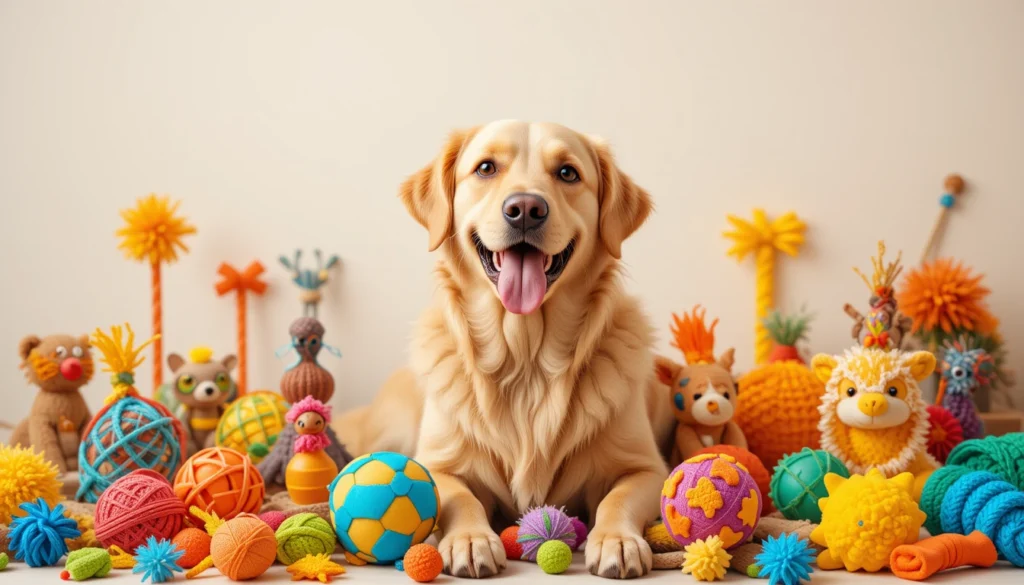
Understanding Your Dog’s Play Style and Personality
Before diving into the world of dog toys, it’s crucial to understand that every dog has a unique play style that reflects their breed characteristics, individual personality, and energy levels. Some dogs are natural-born fetchers who live for the thrill of chasing and retrieving, while others prefer puzzle-solving activities that challenge their minds. Observing how your dog naturally plays and what activities they gravitate toward will provide invaluable insights into which types of toys will be most appealing and beneficial.
Aggressive chewers, for instance, need toys specifically designed to withstand their powerful jaws and persistent gnawing habits. These dogs often belong to breeds like German Shepherds, Rottweilers, or Pit Bulls, but individual dogs of any breed can be heavy chewers. On the other hand, gentle players who prefer softer interactions might enjoy plush toys or interactive games that don’t require intense physical activity. Understanding whether your dog is a destroyer, a collector, a shaker, or a gentle carrier will help you narrow down the most suitable options.
Interactive dogs who thrive on engagement with their owners will benefit from toys that facilitate bonding activities like tug-of-war ropes, frisbees, or balls designed for cooperative play. Meanwhile, independent players might prefer puzzle toys or treat-dispensing games that they can enjoy solo. Some dogs exhibit seasonal preferences, becoming more active and playful during certain times of the year, which might influence your toy rotation strategy. Pay attention to these patterns to maximize your investment in quality playthings.
Safety First: Essential Guidelines for Selecting Secure Dog Toys
Safety should always be your top priority when selecting toys for your dog, as the wrong choice can lead to choking hazards, intestinal blockages, or toxic exposure. The size of the toy relative to your dog is perhaps the most critical safety consideration – toys should be large enough that your dog cannot swallow them whole, yet small enough to be comfortably manipulated during play. A good rule of thumb is that the toy should be larger than the space between your dog’s back molars.
Material quality and construction are equally important safety factors to consider. Avoid toys with small parts that can easily break off, such as buttons, bells, or decorative elements that could become choking hazards. Check for sharp edges, loose threads, or weak seams that might split under pressure. Natural materials like untreated wood or certain ropes can be safer alternatives to synthetic materials, but they still require careful inspection for splinters or fraying that could cause injury.
Regular toy inspection should become part of your routine pet care. Even the most durable toys will eventually show signs of wear and should be replaced when they become damaged. Look for cracks in hard toys, stuffing coming out of plush items, or ropes beginning to unravel. Some dogs are notorious for “performing surgery” on their toys, methodically removing stuffing or squeakers, which necessitates immediate replacement to prevent ingestion of these components. Establishing a toy rotation system not only keeps playtime fresh but also allows you to regularly assess each item’s condition.
Age-Appropriate Toy Selection for Every Life Stage
Just as human children have different play needs at various developmental stages, dogs require age-appropriate toys that match their physical capabilities and mental development. Puppies, with their needle-sharp teeth and endless energy, need toys specifically designed for their unique requirements. Soft rubber teething toys can provide relief for sore gums while promoting healthy dental development. Puppy-safe chew toys should be softer than adult versions to protect developing teeth and jaws from damage.
Adult dogs in their prime typically have the strongest jaws and highest energy levels, making them candidates for the most durable and challenging toys available. This is when you can introduce heavy-duty puzzle toys, robust rope toys for tug-of-war, and high-quality balls designed for intense fetch sessions. Adult dogs often have well-established preferences, so you can invest in higher-quality versions of toy types you know they enjoy. This is also the ideal time to introduce variety and complexity to keep their minds sharp and engaged.
Senior dogs require special consideration when it comes to toy selection, as their changing physical abilities and energy levels call for gentler options. Arthritis or joint pain might make it difficult for older dogs to manipulate hard toys or engage in vigorous play, making softer alternatives more appropriate. Puzzle toys that provide mental stimulation without requiring intense physical activity can be perfect for keeping senior minds active. Consider toys with different textures that can provide sensory stimulation for dogs who may be experiencing diminished vision or hearing.
The Best Toys for Your Dog Based on Size and Breed Characteristics
Dog size isn’t just about finding toys that fit properly in their mouths – it’s about understanding the unique play styles and exercise needs that often correlate with different size categories. Small breed dogs like Chihuahuas, Yorkshire Terriers, or Pomeranians typically prefer toys they can easily carry around and manipulate with their tiny paws. These dogs often enjoy squeaky toys that provide auditory feedback for their efforts, and they may prefer multiple small toys they can collect and hoard rather than one large plaything.
Medium-sized dogs, including breeds like Cocker Spaniels, Border Collies, and Beagles, often represent the sweet spot for toy variety. They’re large enough to handle most standard-sized toys safely, yet not so powerful that they immediately destroy everything in sight. These dogs frequently enjoy interactive toys that challenge both their minds and bodies, such as treat-dispensing balls or rope toys for tug-of-war. Their moderate size makes them excellent candidates for a diverse toy collection that can keep them entertained across different moods and energy levels.
Large and extra-large breed dogs require toys built to withstand serious play sessions. Great Danes, German Shepherds, Golden Retrievers, and similar breeds need oversized toys that won’t pose choking hazards and can survive their powerful jaws. Heavy-duty rubber toys, large rope toys, and specially designed “indestructible” options often work well for these gentle giants. However, it’s worth noting that some large breed dogs are surprisingly gentle with their toys, while some smaller dogs are absolute destroyers, proving that individual personality trumps size generalizations.
Mental Stimulation Through Interactive and Puzzle Toys
Modern dog ownership has evolved to recognize that mental stimulation is just as important as physical exercise for maintaining a well-balanced, happy pet. Interactive puzzle toys serve as canine brain games, challenging dogs to problem-solve, manipulate objects, and work for rewards in ways that mirror their natural foraging instincts. These toys come in various difficulty levels, from simple treat-dispensing balls that release goodies as they’re rolled around to complex multi-step puzzles that require sequential problem-solving skills.
Food puzzle toys deserve special attention as they serve dual purposes: providing mental stimulation while slowing down fast eaters who might otherwise gulp their meals too quickly. These toys can help prevent bloat, improve digestion, and turn mealtime into an engaging activity. Some dogs become so enthusiastic about their puzzle feeders that they prefer them to traditional food bowls. The key is starting with easier puzzles and gradually increasing difficulty as your dog masters each level.
Interactive toys that respond to your dog’s actions with lights, sounds, or movement can provide hours of entertainment for tech-savvy pups. However, it’s important to ensure these electronic toys are made specifically for dogs and can withstand the inevitable rough treatment they’ll receive. Some dogs become obsessed with these high-tech toys, while others show little interest, making it worthwhile to try before investing in expensive options. The goal is finding that perfect balance between challenge and achievability that keeps your dog engaged without causing frustration.
Seasonal and Situational Toy Considerations
Different seasons and situations call for different types of toys for your dog, much like how humans adjust their activities based on weather and circumstances. Summer months might inspire more water-based play, making floating toys and water-resistant options ideal for dogs who enjoy swimming or playing in sprinklers. Conversely, winter weather often means more indoor time, which calls for puzzle toys and interactive games that can provide adequate stimulation in smaller spaces.
Travel situations require portable toy options that can help maintain your dog’s routine and comfort level in unfamiliar environments. A favorite comfort toy can ease anxiety during car rides or hotel stays, while compact puzzle toys can provide entertainment during long journeys. Consider the logistics of your travel plans when selecting toys – will you have space for a large rope toy in your luggage, or would smaller alternatives be more practical?
Special occasions like holidays, birthdays, or “gotcha days” present opportunities to introduce new and exciting toy options. However, be mindful of seasonal decorations or holiday-themed toys that might incorporate materials or small parts that aren’t safe for dog consumption. Some dogs become particularly excited about new toys and may be more likely to attempt destructive play, requiring extra supervision during the introduction period.
Budget-Friendly Strategies for Building a Diverse Toy Collection
Building an impressive collection of toys for your dog doesn’t require breaking the bank, but it does require strategic thinking and smart shopping. Quality should always take precedence over quantity, as one well-made toy that lasts for years provides better value than multiple cheap alternatives that break within days. However, this doesn’t mean you need to buy the most expensive option in every category – understanding which types of toys your dog uses most heavily can help you allocate your budget more effectively.
DIY toy projects can supplement your purchased collection while providing creative outlets for crafty dog owners. Simple rope toys can be made from cotton rope purchased at hardware stores, while old t-shirts can be braided into tug toys. However, ensure that any homemade toys meet the same safety standards you’d expect from commercial products. Avoid using materials that could splinter, break into small pieces, or contain harmful chemicals.
Toy rotation strategies can make a smaller collection feel larger and more exciting to your dog. By keeping some toys stored away and rotating them weekly or monthly, you can maintain novelty without constantly purchasing new items. This approach also allows you to assess which toys are true favorites and which ones might be better donated to local shelters. Many dogs show renewed interest in “forgotten” toys when they reappear after an absence.
Maintaining and Caring for Your Dog’s Toy Collection
Proper maintenance of your dog’s toys extends their lifespan while ensuring continued safety and hygiene. Regular cleaning routines should be established based on the materials and usage patterns of different toys. Rubber and plastic toys can often be washed in the dishwasher or scrubbed with pet-safe cleaning solutions, while fabric toys might require machine washing or hand cleaning depending on their construction.
Storage solutions that protect toys from damage while keeping them easily accessible can significantly extend their useful life. Avoid leaving toys outside where weather exposure can cause deterioration, and consider rotating toys to prevent overuse of favorites. Some dogs are naturally gentle with their belongings, while others require more frequent toy replacement regardless of quality – understanding your dog’s habits helps set appropriate replacement schedules.
Recognizing when it’s time to retire a beloved toy can be challenging but is essential for safety. Signs that a toy needs replacement include visible damage like cracks or holes, missing pieces, strong odors that won’t wash out, or changes in texture that might indicate material breakdown. Keep replacement toys on hand for favorites, as some dogs form strong attachments to specific items and may experience stress when their preferred toy suddenly disappears.
What questions do you have about choosing the perfect toys for your furry friend? Have you discovered any unexpected favorites or complete failures in your toy selection journey? Share your experiences and help other dog owners learn from your successes and challenges!
Frequently Asked Questions About Dog Toys
How many toys should my dog have at once? Most dogs benefit from having 3-5 toys available at any given time, with the rest stored for rotation. This prevents overwhelming them with choices while maintaining interest. Active dogs might need more options, while some dogs prefer focusing on just one or two favorites.
Can I give my dog toys meant for children? Generally, it’s best to stick with toys specifically designed for dogs. Children’s toys often contain small parts, use materials that aren’t safe if ingested, or lack the durability needed for dog play. Always check labels and avoid anything with batteries, small detachable parts, or toxic materials.
How often should I replace my dog’s toys? This depends on your dog’s play style and the toy’s condition. Inspect toys regularly and replace them when they show signs of damage. Some dogs go through toys weekly, while others keep the same toy for years. Safety should always guide replacement decisions.
What if my dog isn’t interested in toys? Some dogs need encouragement to engage with toys, especially if they weren’t exposed to them as puppies. Try different types, textures, and sizes. Interactive play with the owner can sometimes spark interest. Food-motivated dogs often respond well to treat-dispensing toys as starting points.
Are expensive toys always better? Not necessarily. While quality materials and construction are important, the best toy is one your dog enjoys and uses safely. Some dogs prefer simple items like cardboard boxes or empty water bottles (supervised play only) over expensive alternatives. Focus on safety, durability, and your dog’s preferences rather than price alone.