Walking your dog is more than just bathroom breaks—it’s essential for your dog’s physical health, mental stimulation, and social development. However, many dog owners unknowingly make mistakes during walks that can affect their dog’s behavior, safety, and even enjoyment of the activity.
In this article, you’ll learn the most common walking mistakes and how to fix them to ensure safer, calmer, and more enjoyable outings for both you and your furry friend.
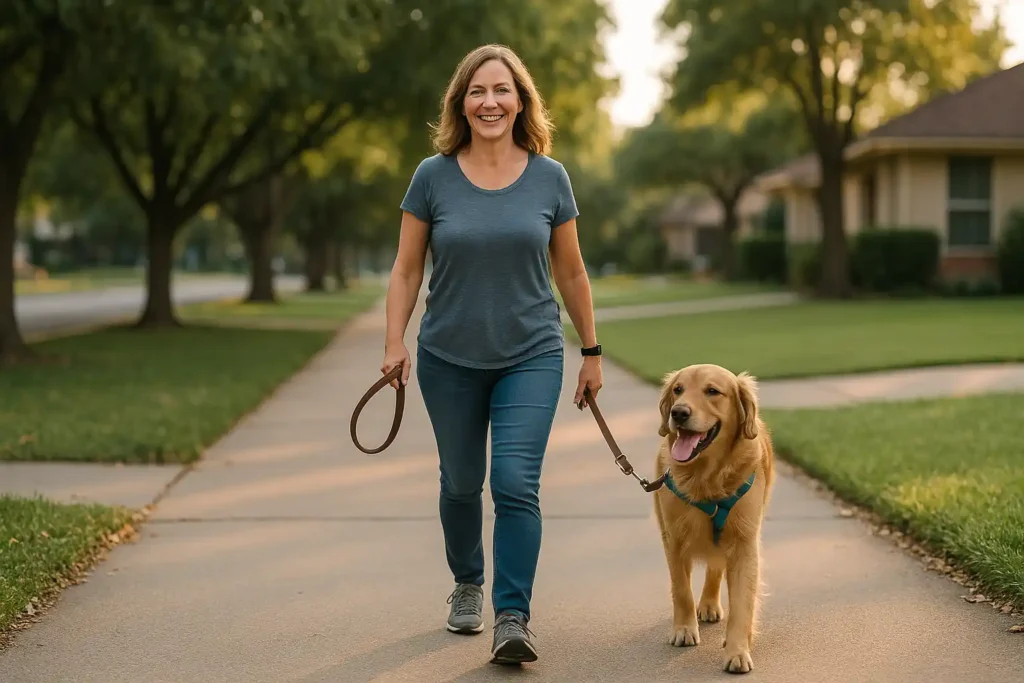
1. Using the wrong type of leash or collar when walking your dog
Not all dogs are the same, and neither are leashes and collars. The wrong gear can cause discomfort or give your dog too much control.
Avoid:
- Retractable leashes in busy areas (they offer poor control)
- Tight choke or prong collars (can cause injury)
- Loose collars that dogs can slip out of
What to do instead:
- Use a sturdy 6-foot fixed leash for better control
- Choose a well-fitted harness for dogs that pull
- Ensure all equipment is comfortable and secure
2. Letting Your Dog Pull Constantly
Allowing your dog to pull the entire walk reinforces bad leash behavior and can harm both of you over time.
Solution:
- Stop walking when your dog pulls — resume only when the leash slackens
- Teach loose-leash walking with treats and praise
- Use a no-pull harness for better guidance
Remember: a relaxed leash = a relaxed walk.
3. Skipping Mental Stimulation
Many owners rush walks just to check it off the list. But dogs crave exploration and sniffing — it’s how they learn about the world.
Avoid: Rushing through the route without breaks
Try:
- Letting your dog sniff (within reason)
- Taking varied routes
- Adding short training stops (e.g., sit, stay, heel)
Sniffing is mentally enriching — don’t rush it unless you’re on a quick bathroom break.
4. Walking During Unsafe Times of Day
Some owners walk their dogs when it’s too hot or too dark, putting their pets at risk.
Avoid:
- Walking on hot pavement in summer (can burn paws)
- Night walks without visibility tools
Tips:
- In warm climates, walk early morning or late evening
- Check the ground with your hand — if it’s too hot for you, it’s too hot for them
- Use reflective gear or LED collars for nighttime walks
5. Not Picking Up After Your Dog
Not only is it unsanitary, but leaving dog waste behind is illegal in many places and contributes to pollution.
Solution:
- Always carry poop bags
- Choose eco-friendly biodegradable bags
- Teach your dog a bathroom routine for easier cleanup
Being a responsible pet owner helps keep public spaces clean and safe for everyone.
6. Ignoring Signs of Fatigue or Stress
Dogs can’t tell us when they’re tired, overheated, or anxious — they show it through behavior.
Signs to watch for:
- Panting excessively
- Lagging behind
- Licking lips, yawning, or whining
- Tail tucked or ears pinned
Take breaks, provide water, and cut the walk short if needed. Each dog’s stamina is different.
7. Not Letting Your Dog Socialize Safely
Walking your dog is a great opportunity for him to meet new people, but inappropriate introductions can cause fear or aggression.
Avoid:
- Letting dogs greet without asking the other owner first
- Tense leashes during greetings (they increase stress)
- Forcing interaction with fearful or aggressive dogs
Do instead:
- Watch your dog’s body language
- Practice calm greetings with friendly, well-socialized dogs
- Keep encounters brief and positive
Socialization should always be slow and respectful.
8. Being Distracted by Your Phone
Dogs notice when you’re not present. Constant phone use reduces your awareness and can create safety risks.
Avoid:
- Texting or scrolling while walking
- Using earbuds that block traffic or other sounds
Stay alert to:
- Traffic
- Other dogs or animals
- Hazards on the ground (glass, trash, etc.)
Being attentive helps you correct behavior quickly and keeps both of you safe.
9. Inconsistency in Rules
If you sometimes let your dog pull, greet strangers, or jump during walks — and other times don’t — it creates confusion.
Be consistent about:
- Heel position
- When they’re allowed to sniff
- Greeting rules
- Walking pace
Dogs learn faster with clear, repeated boundaries.
10. Skipping the Cool Down
After an energetic walk or run, some dogs need a minute to relax before heading back inside.
Try this:
- Let your dog slow down near home
- Offer water and light praise
- Clean their paws before reentry (especially in cities)
This final step helps transition your dog back to home life and reduces indoor hyperactivity.
Final Thoughts: Walks That Work for Both of You
Walking your dog should be a relaxing, enjoyable ritual — not a stressful task. By avoiding common mistakes and becoming more intentional, you’ll turn each outing into a chance for bonding, exercise, and enrichment.
Every dog is different, but all dogs benefit from structure, attention, and a little freedom to explore. Adjust your habits, stay present, and you’ll see the transformation in your dog’s behavior — and your own peace of mind.