Training your dog at home is one of the most rewarding experiences for both you and your furry companion. Teaching basic commands for dogs not only strengthens your bond but also helps establish clear communication and ensures your dog’s safety. While some people rely on professional trainers, you can absolutely teach your pup the essential skills with patience, consistency, and positive reinforcement. In this article, we’ll dive deep into six fundamental commands every dog should learn, along with practical strategies, step-by-step instructions, and real-life examples that you can apply today.
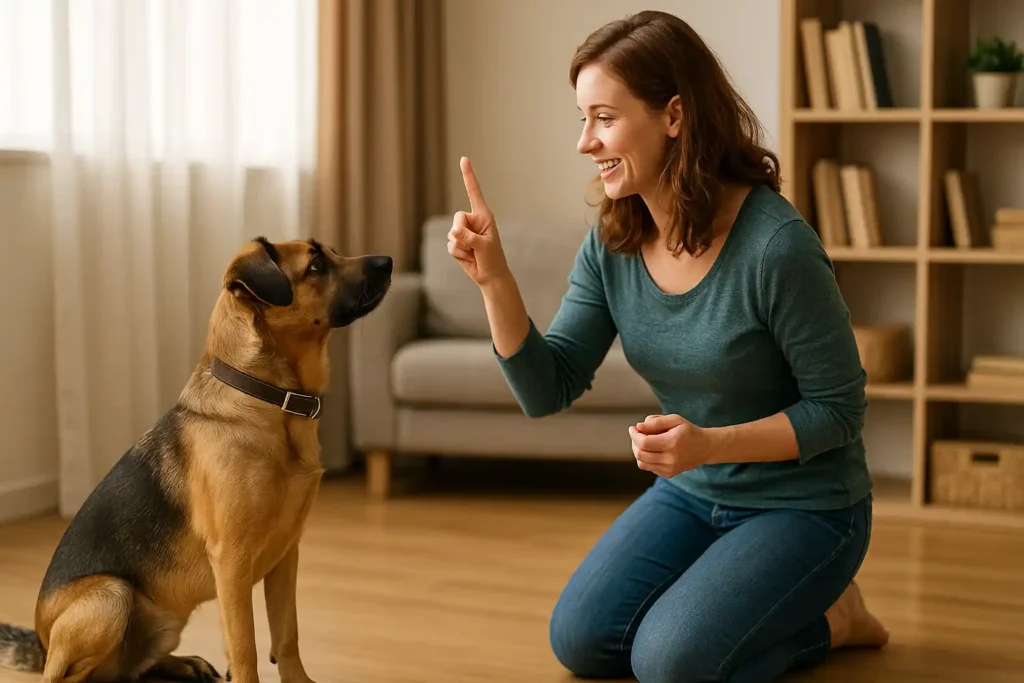
When you understand how to structure training sessions and introduce simple cues, your dog will respond more eagerly, making daily life smoother and more enjoyable. Commands like sit, stay, come, down, heel, and leave it serve as the foundation of good behavior. Beyond obedience, these skills can help avoid dangerous situations, prevent accidents, and improve your dog’s confidence. Whether you’re a first-time pet parent or have years of experience, this guide will give you the tools to succeed.
Why Teaching Basic Commands for Dogs Matters
At first glance, training might look like just another checklist for pet owners. However, teaching basic commands for dogs goes far beyond simple obedience. Each command is a communication tool that helps your dog understand what you expect while making them feel secure. Dogs thrive on structure, and commands create boundaries that reduce anxiety and misbehavior. For example, a well-trained dog who responds to “stay” will be safer near busy streets, while a reliable “come” can prevent a runaway pup from getting into trouble.
In addition, basic training encourages mental stimulation, which is crucial for your dog’s overall well-being. Just like humans, dogs get bored, and boredom can lead to destructive habits such as chewing furniture or excessive barking. Teaching commands challenges your dog’s mind, engages their instincts, and provides a sense of purpose. As a bonus, consistent training sessions can become bonding moments where you and your pet build trust and respect for each other.
Preparing for Successful Training Sessions
Before diving into the six commands, let’s talk about preparation. Setting up the right environment is key to success. Choose a quiet space in your home or backyard with minimal distractions. Have plenty of small, tasty treats ready—something your dog finds irresistible but can eat quickly. Using a clicker can also be helpful to mark correct behavior, but it’s not mandatory if you consistently use verbal praise like “yes” or “good.”
Keep sessions short and fun, typically between five to fifteen minutes, especially if you’re working with a puppy. Dogs have limited attention spans, and pushing them too hard can cause frustration. Always end on a positive note, even if your dog didn’t fully master the command. Reinforcement, patience, and repetition are the building blocks of progress. Remember, training is not about perfection in one day; it’s about gradual improvement that lasts a lifetime.
Teaching the Sit Command
“Sit” is often the first command owners introduce, and for good reason. It’s simple, practical, and sets the stage for other skills. Teaching your dog to sit helps manage overexcited behavior, provides control during greetings, and can prevent jumping. The process is straightforward:
- Hold a treat close to your dog’s nose.
- Slowly move your hand upward, allowing their head to follow while their bottom naturally lowers.
- Once your dog is in a sitting position, say “sit” clearly, then immediately give the treat and praise.
Practice several times a day, rewarding each success. Gradually increase distractions once your dog understands the cue. With consistency, most dogs pick up “sit” within a few days. Over time, you can use the command before meals, walks, or when guests arrive, reinforcing calm behavior in daily life.
Teaching the Stay Command
Once your dog has mastered “sit,” the next step is teaching “stay.” This command is vital for safety and discipline, especially in situations where your dog needs to remain calm. To begin:
- Ask your dog to sit.
- Open your palm in front of them and say “stay.”
- Take a small step back, then quickly return and reward them if they didn’t move.
Gradually increase distance and duration, but always set your dog up for success. If they break the stay, calmly guide them back without scolding. Over time, your dog will understand that staying in place leads to rewards and praise. “Stay” is especially useful at the door, on sidewalks, or when you need your dog to remain still while you handle something important.
Teaching the Come Command
Few commands are as critical as “come.” This recall command ensures your dog returns to you immediately, whether you’re at the park or in your yard. Start indoors or in a fenced space where distractions are minimal. Here’s how:
- Get down to your dog’s level and say “come” in an enthusiastic tone.
- Hold out your arms or use a treat to encourage them.
- Reward generously when they reach you, reinforcing that coming back is always positive.
Never use “come” for punishment; it should always signal something good. Once your dog is reliable in calm environments, practice in more distracting settings with a long leash. Over time, “come” will become a lifesaving command, preventing accidents and keeping your dog close.
Teaching the Down Command
“Down” is useful for managing energy and creating a calm state of mind. A dog lying down is less likely to get into mischief or react impulsively. To teach this command:
- Start with your dog in a sitting position.
- Hold a treat in your hand and lower it to the floor while saying “down.”
- Encourage your dog to follow the treat until they are lying down, then reward immediately.
Some dogs may resist at first, so patience is essential. Never push your dog into position—gentle encouragement works best. Over time, “down” becomes a great way to manage excitement during family meals or when you want your dog to settle on a mat or bed.
Teaching the Heel Command
Walking politely on a leash is one of the most valuable skills you can teach your dog. “Heel” prevents pulling, jumping, and wandering during walks. To begin:
- Keep your dog on your left side with a short leash.
- Hold a treat in your hand and say “heel” as you take a step forward.
- Reward your dog for staying by your side, gradually increasing the number of steps before giving a treat.
Consistency is crucial, as dogs naturally want to explore. If your dog pulls, stop walking until they return to your side. Over time, they’ll associate staying close with movement and rewards. A well-trained heel command makes walks enjoyable and strengthens your leadership role.
Teaching the Leave It Command
“Leave it” is essential for preventing your dog from grabbing harmful objects or food off the ground. To teach it:
- Place a treat in your closed hand and let your dog sniff.
- Say “leave it” firmly and wait until they stop trying to get it.
- Reward them with a different treat from your other hand when they back off.
Repeat the process, gradually practicing with more tempting items. This command can protect your dog from dangerous foods like chocolate or bones that could cause choking. Over time, “leave it” becomes second nature, ensuring your dog respects boundaries and avoids hazards.
Common Training Challenges and Solutions
Every dog is unique, and you may encounter challenges during training. Some dogs are stubborn, while others may get easily distracted. If your dog doesn’t respond, review the basics: are you using high-value rewards, keeping sessions short, and practicing in a distraction-free space? Avoid punishment-based methods, as they can harm your bond and make training stressful.
Consistency is the golden rule. Everyone in your household should use the same commands and reward system to prevent confusion. Celebrate small victories, and don’t compare your dog’s progress to others. Remember, training is a journey, not a race.
Helpful Tools and Resources for Dog Training
Several resources can enhance your training experience. Clickers, treat pouches, and long lines can make sessions more effective. Online platforms such as American Kennel Club and ASPCA offer valuable articles and video guides. Books written by certified trainers can also provide additional strategies, helping you refine your skills and troubleshoot challenges. Ultimately, the best tool is your consistency and dedication.
Final Thoughts on Teaching Basic Commands for Dogs
Teaching basic commands for dogs at home is a rewarding process that improves communication, ensures safety, and strengthens your bond with your pet. Sit, stay, come, down, heel, and leave it are more than just words; they are life skills that give your dog structure, purpose, and confidence. With patience, practice, and positive reinforcement, your dog will not only master these commands but also become a more balanced and happier companion.
What command has been the most challenging for your dog to learn? Do you have a favorite success story from training at home? Share your experiences in the comments below—we’d love to hear them!
FAQ
How long does it take to teach basic commands for dogs?
Most dogs can learn simple commands like “sit” within a few days, but mastering all six may take several weeks of consistent practice.
Can I train my dog without treats?
Yes, but treats speed up the process. You can also use praise, toys, or play as rewards once your dog understands the commands.
What if my dog doesn’t respond to training?
Review your training environment, use high-value rewards, and keep sessions short. If challenges persist, consider consulting a certified dog trainer.
Is it too late to teach my adult dog?
Not at all! Dogs of all ages can learn basic commands with patience and consistent practice.
How often should I train my dog?
Short daily sessions work best. Aim for two to three sessions a day, lasting 5–10 minutes each.